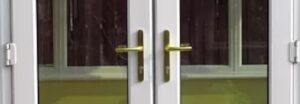
10 Quick Tips For Door Handle Hardware
Understanding Door Handle Hardware: A Comprehensive Guide
When it comes to home or workplace decor, door handles might appear to be a small detail, but they play a vital function in both functionality and aesthetic appeals. The type of door handle hardware one chooses can considerably impact the general design of an area, in addition to the level of security it offers. This short article will explore the numerous kinds of door handle hardware offered, the key features to think about, and the most common products used in producing these necessary elements.
Types of Door Handle Hardware
Door handles come in numerous styles and mechanisms, each designed to serve particular functions. Understanding these types can help one make a notified choice when picking hardware for their doors. Below are some of the most common kinds of door handle hardware:
Lever Handles
- Lever handles are among the most popular options. They are easy to use, requiring very little effort to run, making them ideal for people of any ages.
- Suitable for commercial and residential spaces.
Knob Handles
- Knob-style handles are timeless and typically discovered in conventional or vintage-themed homes.
- They usually need a twisting motion and may be less practical for individuals with limitations.
Pull Handles
- Usually found on sliding or pocket doors, pull handles are basic in design and function, planned for opening and closing without locking mechanisms.
- They can add a modern touch to furnishings and kitchen cabinetry as well.
Deadbolt Locks
- While mostly a locking mechanism, deadbolt locks frequently combine with door handles to provide enhanced security.
- They need a crucial or a code to run and can considerably lower the risk of unapproved entry.
Electronic and Smart Handles
- With advancements in innovation, electronic handles geared up with keypads or fingerprint scanners are gaining popularity.
- These modern handles offer benefit and increased security, permitting users to grant access without physical keys.
Biometric Handles
- These handles check out finger prints, allowing access to licensed users and avoiding unapproved entry.
- They represent the forefront of security innovation in door hardware.
Key Features to Consider
When picking door handle hardware, several functions need to be thought about to ensure the best match for your needs:
Security: Evaluate the locking mechanism and its efficiency. For high-security requirements, think about multi-point locking systems or smart locks.
Material: Choose premium products that provide resilience, like stainless-steel or brass. Finish choices can also improve the visual appeal.
Design: The picked handle should match the architectural design of the office or home. Traditional homes might take advantage of vintage knobs, while modern spaces might choose sleek lever handles.
Ergonomics: Handle styles must be comfortable and practical for daily usage. Selecting lever handles can simplify gain access to for people with mobility difficulties.
Installation and Maintenance: Some door handles are simpler to install and keep than others. Consider whether you will employ a professional or do it yourself.
Cost: Hardware costs can differ extensively. Establishing a budget plan before shopping can assist limit options to those that fit your monetary constraints.
Common Materials for Door Handle Hardware
The product utilized to make door handle hardware can influence both the aesthetic appeal and performance. Here are some frequently utilized materials:
Stainless Steel
- Understood for its durability and resistance to rust, stainless-steel is a favored option for modern and minimalist style.
Brass
- With a timeless appeal, brass can include heat to interiors. It often develops a natural patina over time that is attracting lots of property owners.
Aluminum
- Lightweight and resistant to rust, aluminum handles are often discovered in modern designs and provide a modern, streamlined appearance.
Zinc Alloy
- Typically used for affordable alternatives, zinc alloy can be molded into various shapes and finishes, making it versatile for various styles.
Plastic and Composite Materials
- While often seen in economical markets, these materials can often use unforeseen resilience and are available in various colors and styles.
Installation Tips
Installing door handle hardware can be a straightforward job for the handy individual. Below are some tips for effective installation:
Gather Tools: Ensure you have all essential tools on hand. Common tools include a screwdriver, drill, and measuring tape.
Read Instructions: Always refer to the manufacturer's installation guide for particular instructions and suggestions.
Step Correctly: Accurate measurements are critical to make sure the handle fits well, so double-check before making any cuts or holes.
Protect Firmly: Make sure all screws are tightened up safely to ensure the longevity of the handle's function.
Test Performance: After installation, test the handle numerous times to ensure it operates smoothly and fits well.
FAQs
1. How do I pick the best door handle for my home?
Consider the architectural design of your home, the performance required, and the total theme you desire to attain.
2. Are smart door handles worth the financial investment?
Yes, smart door handles offer convenience, improved security functions, and remove the need for physical keys.
3. How can I maintain my door handles?
Regularly tidy them with appropriate materials for their surface. For locks, oil the mechanism periodically to guarantee smooth operation.
4. Can I set up door handles myself?
With basic tools and a little helpful knowledge, many door handles can be set up without professional aid.
5. What is the life-span of door handles?
The lifespan can differ commonly based on materials, but good-quality handles can last anywhere from 10 to 50 years with appropriate care.
Door handle hardware is a vital yet often ignored part of a home's visual and functionality. With a myriad of styles, materials, and features available, house owners and builders alike can find the perfect match for their requirements. By thinking about Repair My Windows And Doors , ergonomic designs, and styles that complement their space, individuals can make sure that the door handles they pick are not only useful but likewise visually attractive. Whether selecting traditional knobs or modern clever handles, the best options can really enhance the ambiance of an office or home.